Close


-
ShopFabricHardwareTrim & CordClean, Protect, Adhere
-
DealsClearanceTrivantage Plus Member Discounts
-
New
An image of 3 upholstery tools: 1 pair of Shears, 1 pair of thread nippers, and 1 revolving punch tool.
Professional upholsterers and fabricators rely on a variety of tools to not only make their work easier but more effective also. Some tools are common to most households and shops — a hammer, a good pair of scissors, a tape measure, etc. — some, however, are very specific to upholstering. Regardless, all of them make quality upholstery work possible, from bimini covers and other marine fabric applications to home decor applications, outdoor furniture seat covers, sun sails, and more.
As you embark on your journey into the world of upholstery, it's essential to recognize that the tools you use play a pivotal role not just in simplifying tasks, but also in elevating the overall quality and efficiency of your projects. The right tools can turn challenges into opportunities and transform raw materials into exquisite creations. This guide will cover the essential upholstery tools and upholstery supplies needed to work with marine, performance, contract, and other commercial- and professional-grade fabrics.
How should I clean and maintain upholstery and fabrication hand tools?
After each use, wipe tools like awls, rollers, shears, and punches with a clean, dry cloth to remove fabric fibers and dust. For sticky residues or adhesives, clean with a soft cloth dampened in mild soapy water, then rinse, dry immediately, and lightly lubricate moving parts. Store tools in a clean, dry toolbox to prevent rust, especially on presses, dies, and punches.
What are best practices for cleaning shears, cutters, and hot‑knife equipment?
Keep blades and hot‑knife edges sharp and free of melted material or frayed threads. Use abrasive‑safe cloths or soft nylon brushes to remove debris. Periodically lubricate pivot points and check regularly for nicks or corrosion. For hot‑knife tools, unplug before cleaning, and wipe cooled blades with a lint‑free cloth and appropriate cleaner as recommended by the manufacturer.
How do I care for pressing tools and dies used with upholstery fasteners?
After using press dies or grommet tools, brush away fabric scraps with a soft nylon brush. Clean surfaces gently with a mild solvent or soap‑water solution if adhesive residue builds up. Rinse and dry thoroughly, and store dies in protective sleeves or labeled compartments to prevent wear and misalignment.
How should I clean staple guns, regulators, and tacking tools?
Disconnect pneumatic tools before cleaning. Use compressed air to clear dust and foam fragments from internals. Wipe outer surfaces with a soft, slightly damp cloth. Inspect staples or tacks for damage or rust, and lubricate pivot joints sparingly with light machine oil. Store unloaded and in a dry environment to avoid moisture-related malfunctions.
What general storage and care tips ensure longevity of upholstery fabrication tools?
Store all tools in organized, labeled compartments or kits to prevent damage or loss. Keep tools dry, clean, and rust‑free. Replace worn-out needles, shears, or mallet faces proactively. Avoid over‑tightening adjustable tools, and use silicone hand rollers or protective pads when packing to preserve tool integrity.
Even in the 21st century, a lot of fabrication and upholstery work requires hand tools. Because variations of many of these tools have been in use by upholsterers and other craftspeople for centuries, it’s easy to imagine upholsterers of the future will still make use of them as well. Here is a list of what we consider to be essential hand tools for fabrication and upholstery projects.
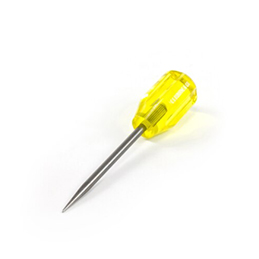
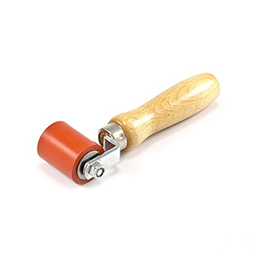
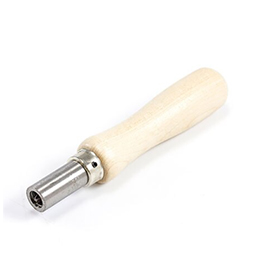
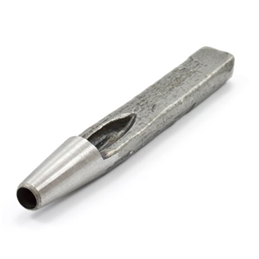
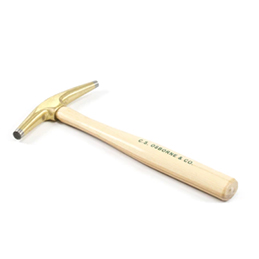
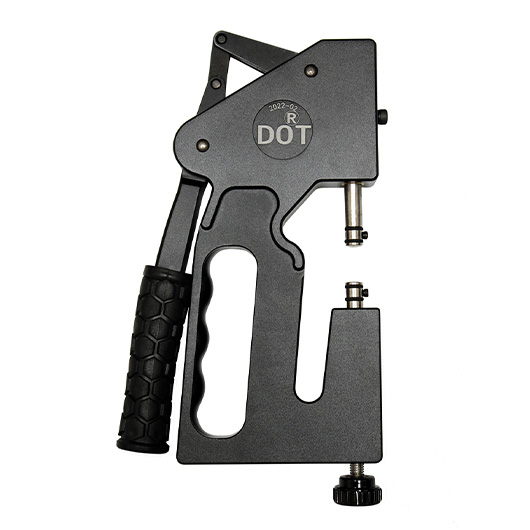
Setting hardware in fabric is part of nearly every upholstery job, and the better your presses and setting dies, the more exact and durable your hardware placement will be. Here is a sampling of some top-quality presses, dies, and setting tools that can be used in almost any fabric upholstery application.
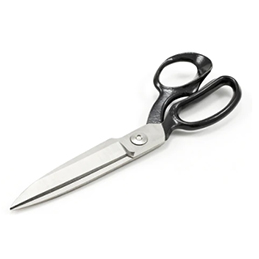
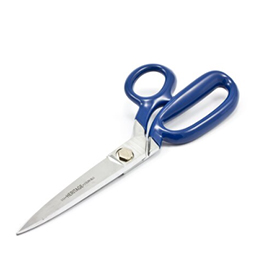
A good pair of fabrication-specific scissors or shears — or multiple pairs — are essential in an upholsterer’s tool bag. Using the right pair of shears will make it easier to maintain good edges and trim thread exactly where you want to. Perhaps even more important, utilizing specialty shears can save you precious time and stave off frustration throughout the many varieties of jobs and projects upholsters take on year after year.
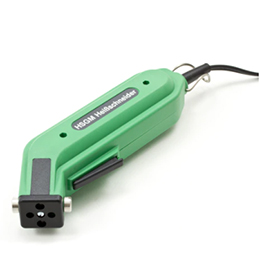
Some essential fabricator and upholsterer tools don’t fit neatly into any category because their usefulness is so broad. Here are a couple of them.
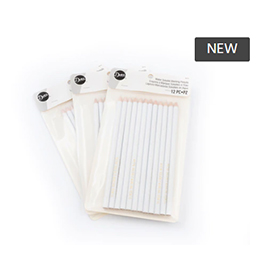
Most upholstery and fabrication tools come with specific cleaning, care, and storage guidelines. Follow these as closely as possible to extend the life of your tools. In general, however, upholstery supplies and tools should be stored out of the reach of children and in a dry, ideally climate-controlled environment. Because dirt and dust can affect some tools’ wear and performance, maintaining a clean and dust-free workshop environment is helpful. Sharpen blades and oil hinges as needed. For all other considerations, see manufacturers’ recommendations.
If you need a tool or upholstery supply you don’t see here, check our full site. Trivantage has the tools and supplies today’s fabricators and upholsters need, including tool kits like our Home Grommet Kit. We're always adding new products regularly, to help ensure you're successful in all the jobs you do. Regular maintenance practices are essential to uphold the performance of various tools.
Remember, the longevity of your tools largely depends on how well you care for them. A well-maintained tool not only performs better but also saves you money in the long run by avoiding premature replacements.