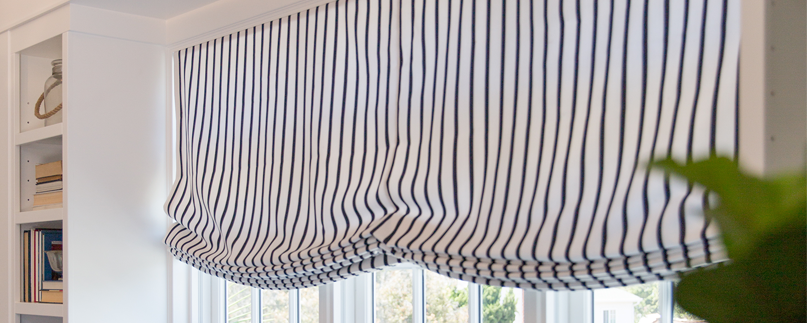
An image of a white curtains, a bench, and a pair of shoes.
Intro to Cleaning Curtains and Blinds
Cleaning curtain and blind fabrics requires two steps. The first is to regularly maintain your fabrics to increase their lifespan. The second step is to follow the Trivantage general cleaning and care instructions for curtain and blind fabrics.
At Trivantage, we only sell high-performance, long-lasting upholstery fabrics designed to retain their brilliance and hue for the long haul. In most cases, our fabric cleaning tips can be accomplished at home (DIY) without a dry cleaner or professional cleaning service - which is excellent for upholsters, manufacturers, and end-users.
Interested in becoming a Trivantage customer? Find out more about us to see if we’re right for you.
Maintaining clean curtains and blinds requires periodic maintenance. Generally, the longer you wait to dust, vacuum, and clean your fabric curtains, the more difficult it will be. Listed below are a few general do’s and don’ts for cleaning your high-performance curtains at home, the easy way:
Important Care Disclaimer Before you begin, please keep these essential points in mind:
Follow the Label: The care label or manufacturer’s instructions on your product are your most important guide. Their advice overrides any general tips.
Spot Test First: Always test any cleaning solution or method on a small, hidden area of the fabric to check for color bleeding or damage.
Protect Hardware: Remove or cover any metal or plastic hardware to prevent rust, water spots, or damage during cleaning.
Handle with Care: For delicate, lined, valuable, or heavily soiled items, professional cleaning is the safest choice. When in doubt, call a pro.
Avoid High Heat: Never use high heat on curtains with foam, thermal, or blackout linings, as it can cause them to crack, melt, or separate.
Mold Safety: If you encounter mold, wear protective gear like gloves and a mask. Work in a well-ventilated area, preferably outdoors.
How Often Should I Clean My Curtains or Blinds?
Indoor Curtains & Blinds: Dusting or vacuuming with a brush attachment monthly helps prevent dust buildup. For a deeper clean, consider washing or steam cleaning every 2 - 4 months, depending on exposure to allergens and sunlight.
Outdoor Curtains & Blinds: Due to exposure to weather elements, clean them quarterly. Regular maintenance ensures longevity and appearance.
What’s the Best Way to Clean Curtains or Blinds Without Removing Them?
Dusting: Use a vacuum with a brush attachment to gently remove dust from the fabric.
Spot Cleaning: For stains, apply a mild detergent solution with a clean cloth, blotting the affected area.
Steam Cleaning: A handheld steamer can refresh fabrics and eliminate wrinkles without the need for removal.
Do I Need Different Cleaning Methods for Indoor vs. Outdoor Curtains and Blinds?
Yes, cleaning methods vary:
Indoor: Use gentle methods like vacuuming, spot cleaning, or steam cleaning.
Outdoor: Employ more robust cleaning, such as hosing down with mild soap and water, and reapplying water-repellent coatings to protect against the elements.
Can I Machine Wash My Curtains?
Machine washing is possible if the fabric care label permits:
Suitable Fabrics: Cotton, linen, and polyester blends often tolerate machine washing on a gentle cycle with cold water.
Delicate Fabrics: Avoid machine washing for silk, velvet, or curtains with intricate embellishments. Instead, opt for hand washing or professional dry cleaning.
How Do I Clean Sheer or Delicate Curtain Fabrics?
Hand Washing: Use cool water and a mild detergent. Gently agitate, then rinse thoroughly.
Machine Washing: If the label allows, place curtains in a mesh bag and use a delicate cycle with cold water.
Drying: Air dry by hanging or laying flat to prevent shrinkage and maintain fabric integrity.
Are There Special Care Instructions for Blackout or Thermal-Lined Curtains?
Yes, special care is required:
Avoid: Ironing or machine washing unless the care label specifies it's safe.
Cleaning Tips: If machine washing is allowed, use a cold, gentle cycle and air dry. Overheating can damage the lining and reduce effectiveness.
How Do I Clean Outdoor Curtain Panels Exposed to Sun and Rain?
Regular Cleaning: Hose down with a mild soap solution to remove dirt and debris.
Protection: Reapply water-repellent treatments periodically to maintain resistance against moisture and UV damage.
What’s the Best Way to Remove Mildew or Mold from Outdoor Curtains?
Solution: Mix equal parts white vinegar and water. Apply to affected areas and let sit for 30 minutes.
Scrubbing: Gently scrub with a soft brush, then rinse thoroughly.
Drying: Ensure curtains are completely dry before rehanging to prevent mold recurrence.
How Do I Get Rid of Lingering Odors in Curtains?
Air Out: Hang curtains outside on a dry, breezy day.
Deodorize: Sprinkle baking soda on the fabric, let sit for 15 - 30 minutes, then vacuum.
Steam: Use a steamer to refresh fabric and eliminate odors.
Washing: If odors persist, consider washing according to the care label instructions.
How Do I Remove Grease or Food Stains from Kitchen Window Treatments?
Cleaning Solution: Mix mild dish soap with warm water. Apply to the stain and gently blot.
Drying: Air dry to prevent setting the stain. For delicate fabrics, consider professional cleaning.
How to Clean Curtain & Blind Fabrics
An image of the bottom section of indoor stripped curtains blinds.
Now that you have an understanding of general cleaning and maintenance instructions for your high-performance blind and curtain fabrics, you’re ready for more in-depth directions.
Listed below are specific cleaning instructions for different types of fabric curtains and blinds.
Place pleated fabric shades on a clean flat surface. Softly vacuum clean both sides along the pleat. Use a recommended fabric cleaning solution to spot clean (gently rub the dirty area with a damp cloth
without wrinkling the fabric). Blot the pleated shades with a dry microfiber cloth until mostly dry. Hang them back up when completely dry.
Use a feather duster or gently vacuum with the upholstery brush attachment. Remove dust inside the cells with a hair dryer on its lowest (cool air) setting—clean cellular shades with a cloth or sponge,
mild soap, and warm water. Gently blot until dried.
Remove dirt particles with a feather duster or vacuum cleaner. Remove all dowels. You can leave the strings attached or remove them, depending on your preference. Follow the care instructions for the
specific fabric. Be sure to hang roman shades so they can air dry. Use a steamer to get rid of wrinkles, if necessary.
Use the upholstery attachment on the vacuum cleaner to clean both sides from top to bottom gently. You can spot clean fabric blinds by placing them on a flat, clean surface. Then, gently use a cloth and
recommended fabric cleaner (or mild detergent) to clean the soiled area.
Regularly vacuum both sides of the fabric horizontal blinds with the upholstery brush attachment. Use a soft cloth, sponge, or brush with the appropriate cleaning solutions to spot clean when necessary.
Generally, we don’t recommend putting our curtain or blind fabrics in the washing machine or taking them to a dry cleaner. If you’re unsure of the best cleaning methods, check out Trivantage’s recommended cleaning and protection products for high-performance fabrics.
How Do You Clean Polypropylene Fabric?
An image of outdoor setting area with white vertical blinds in window areas.
Polypropylene fabric is often used to cut the effects of wind on sporting courts (i.e., tennis and baseball) and for trampolines. In some cases, they are also used for indoor and sunroom curtains. Cleaning
polypropylene fabric is pretty simple:
Hose the fabric down with clean water. Blot dry (which is more time-consuming) or use a wet vac. Allow it to hang dry in the sun.
For spot cleaning, gently handwash with a cloth and mild soapy water (or recommended Trivantage cleaning solution).
Window Treatment Fabric from Trivantage
At Trivantage, we provide world-class upholsterers with best-in-class fabrics and materials. Whether your customers prefer curtain and blind fabric for outdoor or indoor use, we have what you need when you need it.
Browse our selection of high-quality fabrics today.
Disclaimer:
The purpose of this guide is to give fabricators some general guidelines and product information.
This guide should not be considered as the sole source of information on cleaning upholstery fabric. This guide is strictly informational.